Home 5 News 5 New findings on how plants manage immune response

New findings on how plants manage immune response

Disclaimer

My opinions and perspectives may differ from the information provided on the product label. The product label should be considered the primary and authoritative source of information. It includes important instructions, warnings, ingredients, and usage guidelines that should be followed for safe and effective use of the product.

New research, being published January 20 in the journal Science, has uncovered a previously unknown means by which plants are able to regulate how their immune systems respond to pathogens. A group of small peptides, referred to as RALFs (Rapid ALkalinization Factors), serve to dampen immune signaling — preventing further response once the infection has been dealt with by the plant’s immune system. The finding could pave the way to improve the immune systems of food crops, which would have a tremendous impact on food security.

The study, co-authored by Queen’s plant biologist Jacqueline Monaghan, examined how plant immune systems work to respond to threats, as well as how plants regulate their pathogen responses in order to avoid negative impacts to their growth and development.

https://www.sciencedaily.com/releases/2017/01/170119161543.htm

Related Posts

Your Pruned Canes Are a Report Card

Your pruned canes are a report card. Green or weak wood isn’t random—it’s the vine showing whether it had the energy, balance, and signals needed to lignify. What you see at pruning shapes your action plan for 2026.

Related Documents

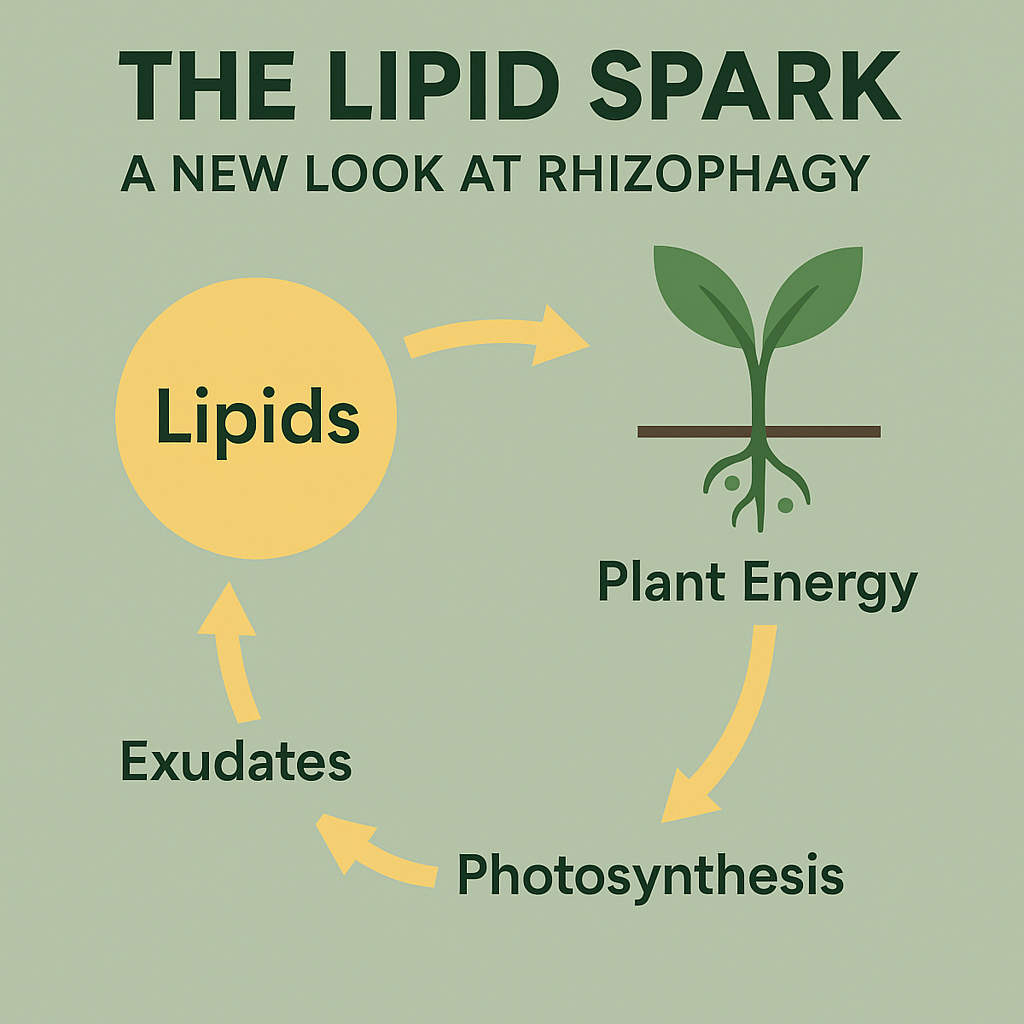
    The Lipid Spark: A New Look at Rhizophagy

    The real value of microalgae isn’t just minerals — it’s lipids. Those lipids give the plant an energy boost that wakes up the soil and accelerates nutrient cycling.

    Related Documents

      When the pH Is Wrong, Nothing Works Right

      Soil pH controls everything below ground. Learn how Growthful Pre-Emerge from Aqueus uses carbonic acid and extra hydrogen molecules to rebalance soil pH, improve nutrient uptake, and make every input work better.

      Related Documents